
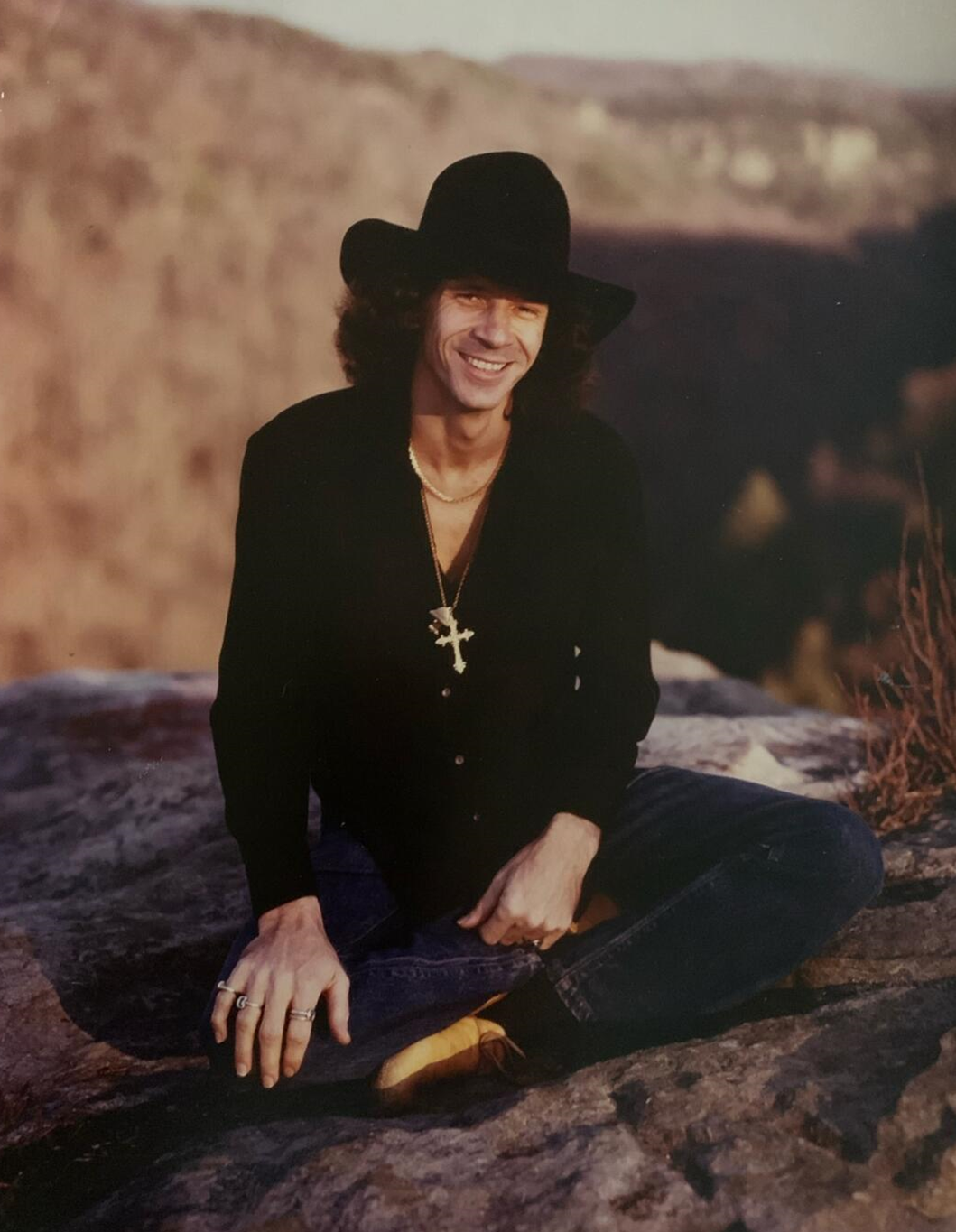
Some singers sound polished. Some sound practiced. And then there are the ones who sound like they have lived every line they ever sang.
Gary Stewart was one of those. Born in the coal country of Letcher County, Kentucky, and later associated with Jenkins and Payne Gap, Stewart came out of the Appalachian hills carrying the kind of voice you do not manufacture. It was restless, ragged around the edges, and full of nerve. Long before country music started chasing slickness, Gary Stewart sounded like a man standing under a neon sign at closing time, still telling the truth whether anybody wanted to hear it or not.
That is part of what makes him such a perfect artist to remember along U.S. 23. The Country Music Highway has never only been about superstardom. It has also been about roots, grit, and the kind of talent that grows out of real places and real struggle. Gary Stewart belongs in that story.
From Coal Country to the Country Music Highway
Stewart was born on May 28, 1944, in the coal mining town of Dunham in Letcher County. He was one of eleven children, born into a working family with deep Appalachian ties. Later, after his father was injured in a mining accident, the family moved to Fort Pierce, Florida, looking for steadier work. But like so many mountain families who had to leave home to make a living, they did not leave the culture behind.
That eastern Kentucky backbone stayed with him. Stewart himself once summed up his upbringing in a line that says about as much as a whole chapter could: he was raised on “a mother’s love, soup beans, cornbread and taters.”
And maybe that is the thread worth holding onto when telling his story. Gary Stewart was not country in a costume-shop way. He was country in the way mountain people recognize immediately — hardheaded, funny, proud, a little haunted, and full of music.
He learned guitar and piano, played in local bands, wrote songs young, and worked regular jobs while chasing music at night. Before his biggest recording success ever arrived, he had already built a reputation as a songwriter, helping place songs with artists like Stonewall Jackson, Billy Walker, Cal Smith, and Nat Stuckey.
Then came the part of the story that feels made for a backroom tale told over coffee after midnight.
Gary Stewart did not slide neatly into the Nashville machine. He bounced around it. He recorded for labels, got dropped, kept writing, kept singing, and kept sounding too raw and too different to smooth out. But that edge was exactly what made him matter.
When Honky-Tonk Found Its King
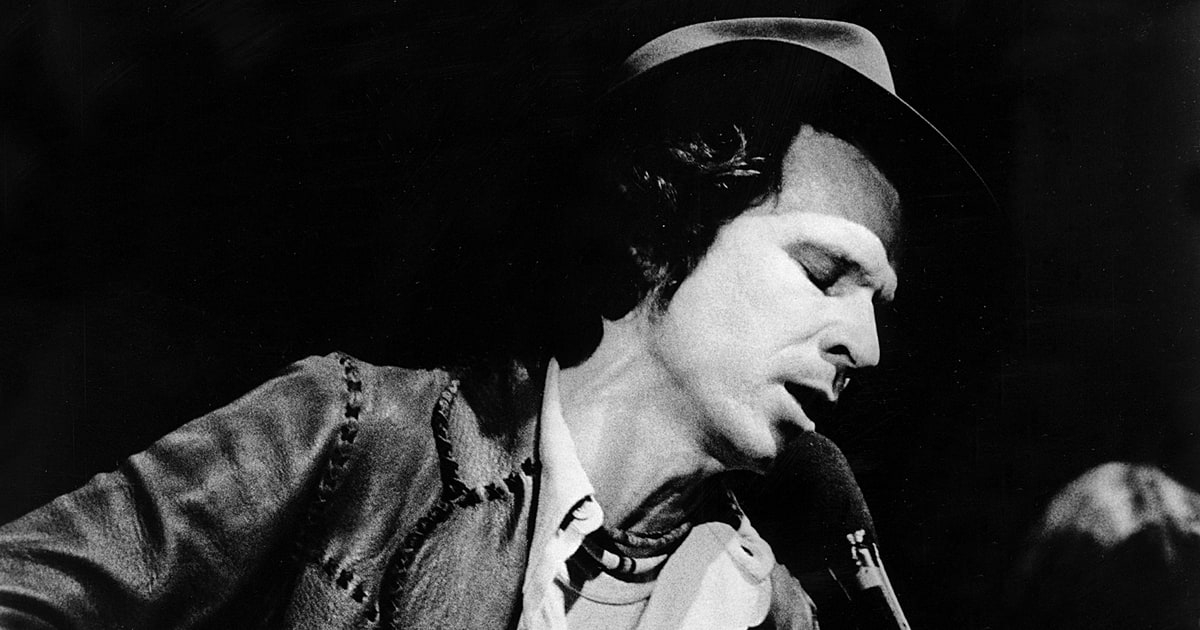
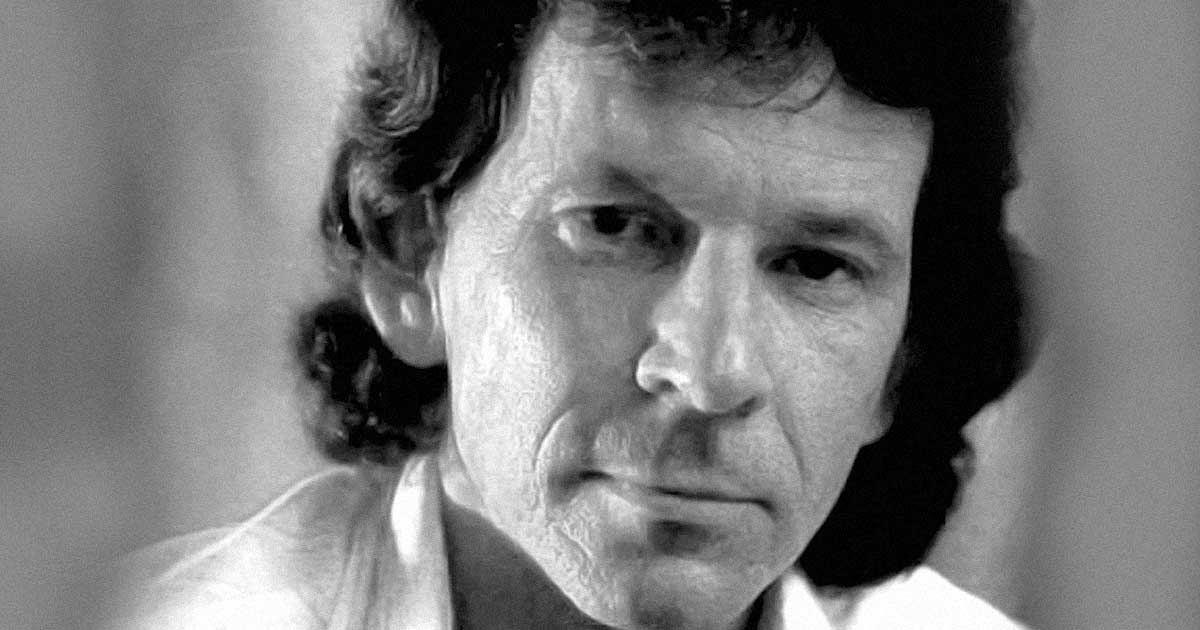
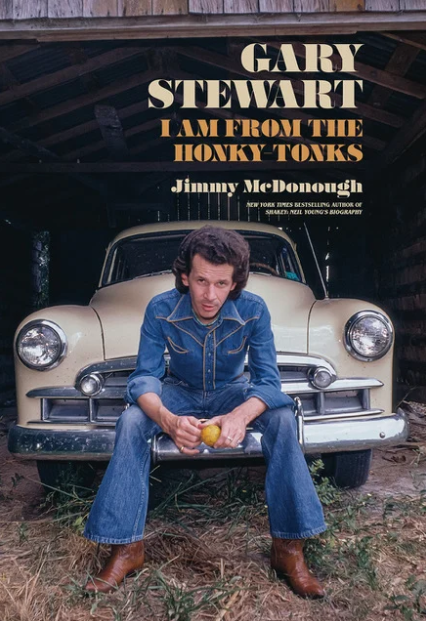
When Out of Hand arrived in 1975, it did not just give Gary Stewart a hit record. It gave honky-tonk a jolt. The album climbed to No. 6 on Billboard’s country albums chart and spun off “Drinkin’ Thing,” “Out of Hand,” and the No. 1 hit “She’s Actin’ Single (I’m Drinkin’ Doubles).”
Over time, Out of Hand came to be widely regarded as a classic of the genre, and Stewart earned the title that still follows him today: the King of the Honky-Tonks.
And that title fits him.
Not because he was the flashiest. Not because he was the most marketable. But because Gary Stewart sang honky-tonk the way some men live it — all the way through.
His music carried heartbreak, humor, swagger, self-destruction, and tenderness, sometimes all in the same breath.
For a region like ours, his story matters because it widens the picture.
When people think of the Country Music Highway, they often start with the biggest household names. And they should. But the highway has always held more than one kind of voice.
Gary Stewart reminds us that eastern Kentucky did not only produce polished stars and radio darlings. It also produced singers with gravel in their throat, danger in their delivery, and enough soul to shake the dust off a jukebox.
Why Gary Stewart Still Matters
He may not always be the first name people mention, but he is often one of the first names true country fans defend.
That is usually a sign.
It means the music lasted.
It means the voice still hits.
It means the story still deserves telling.
And along U.S. 23, where so much great music was born between hills, hollers, and hard roads, Gary Stewart stands as one more reminder that Appalachia has never had to shout to be heard. Sometimes all it had to do was sing plain, sing wild, and sing true.